How to choose a paint color: a practical method that avoids repainting
A step-by-step way to choose interior paint colors: start from what stays, read undertones, test samples properly, and pick the right sheen for each room.
By Revivista Editorial TeamUpdated 3 min read
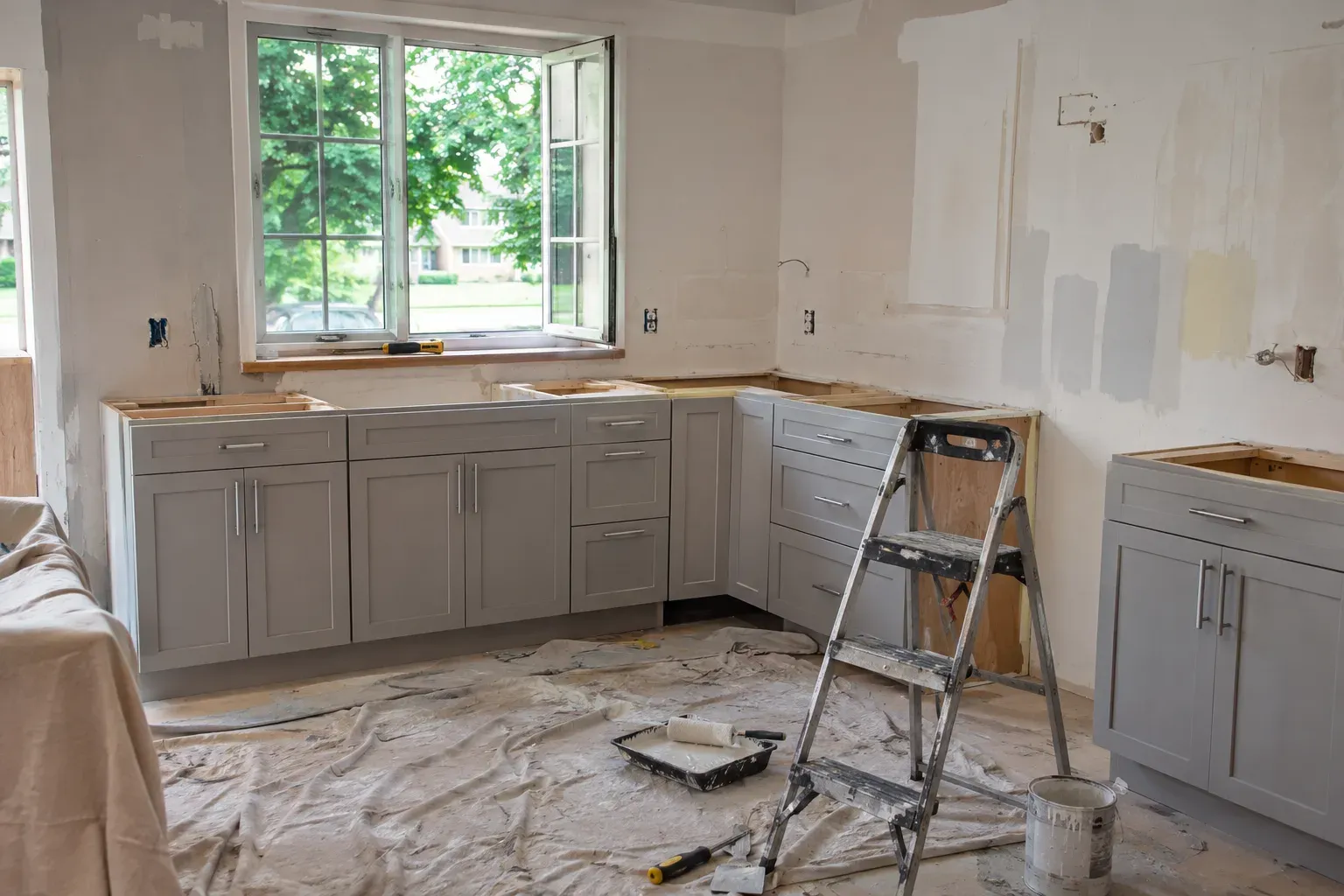
Most paint regrets have the same cause: a color chosen from a small chip under store lighting looks completely different on four walls at home. The fix is not a better eye for color — it is a better process. This method works for any room.
1. Start with what is not changing
Before you look at a single swatch, list what stays in the room:
- flooring, countertops, tile and fixed cabinetry
- large furniture, rugs and curtains you are keeping
- the view and the amount of natural light.
Your wall color has to work with these. Pick up a sample of the floor or counter (or photograph it in daylight) and hold swatches against it, not against the white store counter.
2. Decide on the job the color has to do
Ask what the room needs:
- Feel bigger or brighter: lighter colors reflect more light. Many paint brands publish a Light Reflectance Value (LRV) on a 0–100 scale for each color; higher numbers reflect more light.
- Feel cozy or intimate: deeper colors make walls feel closer. They work well in dining rooms, dens and bedrooms.
- Calm, neutral background for art or furniture: soft whites, greiges and muted tones.
3. Read the undertone
Two “grays” or two “whites” can look completely different because of their undertone — the hint of another color underneath.
- Warm undertones lean yellow, red or pink.
- Cool undertones lean blue, green or violet.
To see the undertone, put the swatch next to a pure white sheet of paper and next to other swatches of the “same” color. The difference usually jumps out. Then match the undertone to what stays in the room: warm wood floors and beige stone generally sit better with warm neutrals; cool gray tile with cool ones.
4. Check the light in the room
- North-facing rooms get cooler, indirect light. Colors look darker and cooler; warmer tones can balance this.
- South-facing rooms get warm, bright light for much of the day. Most colors look lighter; cool colors can stay fresh.
- East and west rooms change a lot between morning and evening.
- Bulbs matter too. Warm-white bulbs push colors warmer; cool-white or daylight bulbs push them cooler.
5. Test samples the right way
- Narrow it down to two or three candidates.
- Paint large samples — sample boards or poster board at least about 2 × 2 ft — with two coats.
- Move them around the room: next to the trim, in the darkest corner, beside the window.
- Look at them in the morning, afternoon and evening, with lights on and off, over two or three days.
Painting samples straight onto the old wall color can mislead you, because the color around it changes how you see it. A white border helps.
6. Choose the sheen
| Sheen | Where it works | Trade-off |
|---|---|---|
| Flat / matte | Ceilings, low-traffic walls | Hides surface flaws, harder to scrub |
| Eggshell | Living rooms, bedrooms | Slight sheen, easier to clean |
| Satin | Kitchens, bathrooms, kids’ rooms, hallways | Wipeable, shows more surface flaws |
| Semi-gloss | Trim, doors, cabinets | Durable and washable, highlights imperfections |
7. Plan the whole house, not one room
Rooms you can see from one another should feel related. A simple approach:
- one main neutral for halls and connecting spaces
- one or two accent colors for individual rooms
- the same trim color throughout.
8. Work out how much to buy
Measure the room and use the paint calculator. It subtracts doors and windows and uses the coverage from the can. Buy the next can size up. A deep color over a light one, or a light color over a dark one, may need an extra coat or a tinted primer.
Quick checklist
- Swatches compared against floors, counters and fabrics that stay
- Undertone matches the fixed finishes
- Samples viewed at different times of day for two or three days
- Sheen chosen for how the room is used
- Color works with the rooms next to it